American wallcovering has a temperament of its own — a little plainer than its European cousins, a little more democratic, and unafraid of a scenic that tells a whole story across a room. From colonial revival stripes to mid-century atomic prints, the American wall has always argued with the old world.


A short history of the American wall
Wallpaper in the young republic began as an aspiration: block-printed papers imported at great expense, then domestically printed as American mills came up in the nineteenth century. Machine printing made pattern affordable, and by the Victorian era a middle-class American parlor could carry a papered wall, a papered frieze, and a papered ceiling, all at once and all a little overwhelming. The reaction to that excess shaped everything after it.
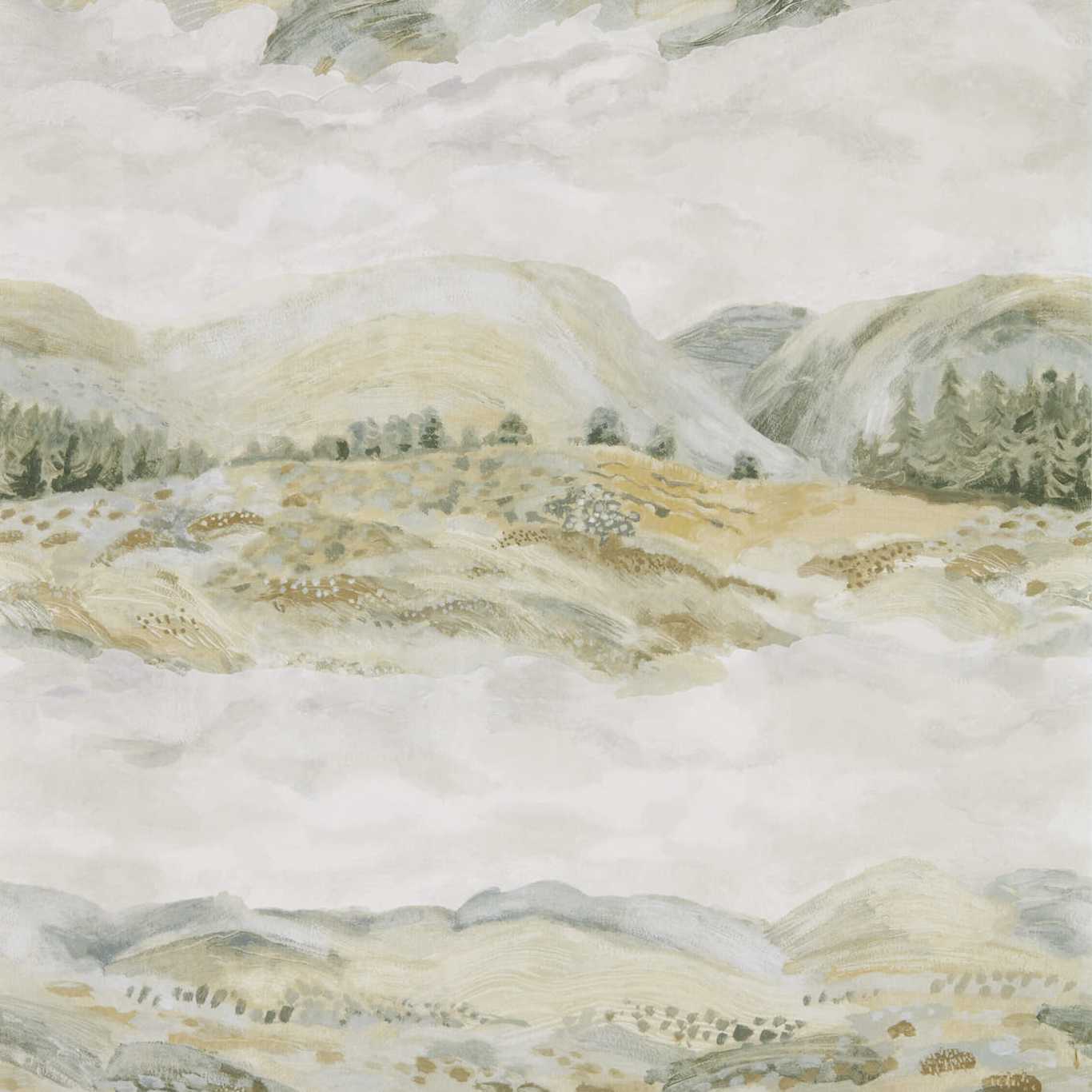
The twentieth century pulled American taste toward clarity. Colonial revival brought back restrained stripes and small documentary prints drawn from historic archives; mid-century modern brought abstract, atomic, and boomerang motifs in colors no Victorian would recognize. Through all of it ran a native love of the scenic — the panoramic paper that turns a dining room into a landscape — which Americans embraced with more enthusiasm than almost anyone.
What reads as American style
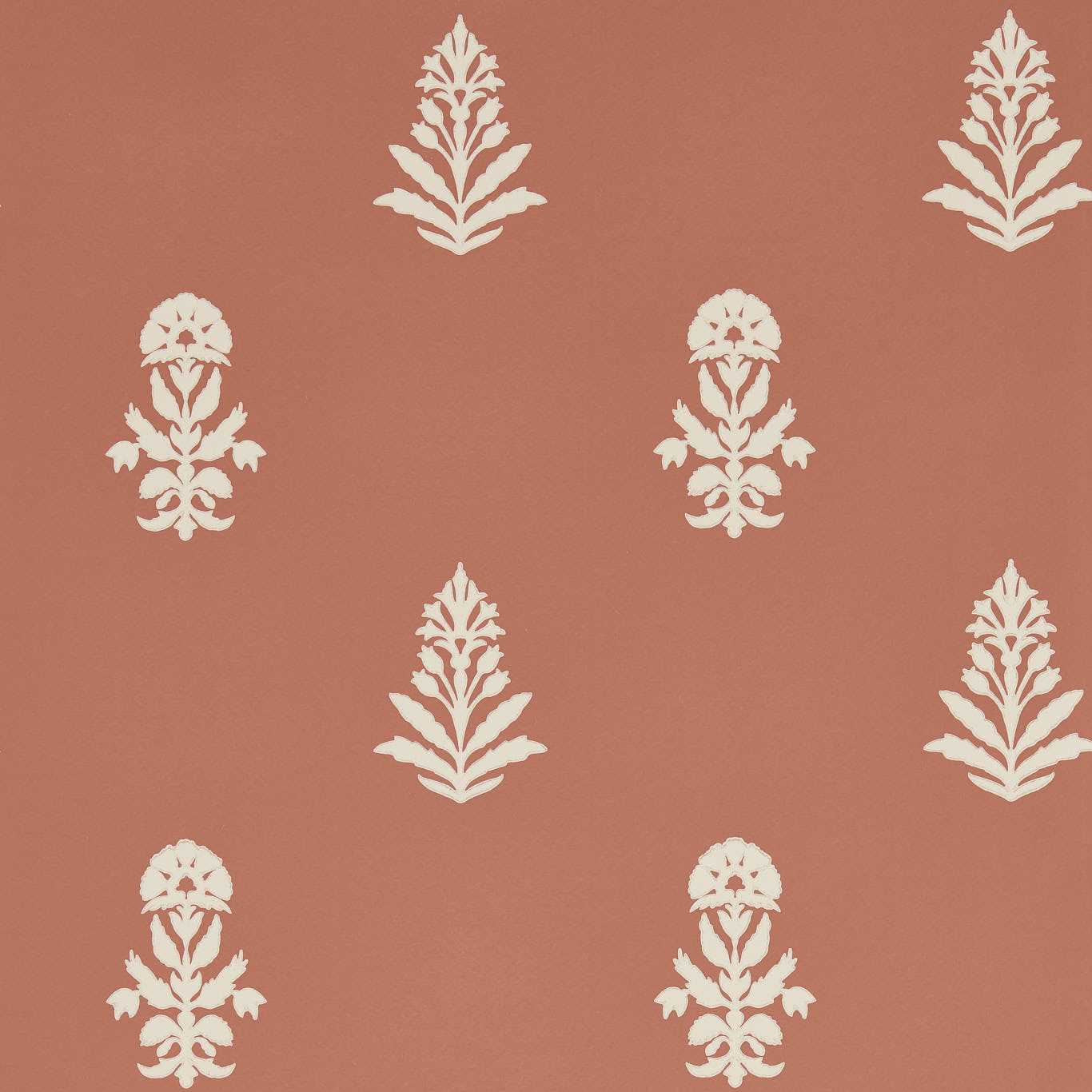
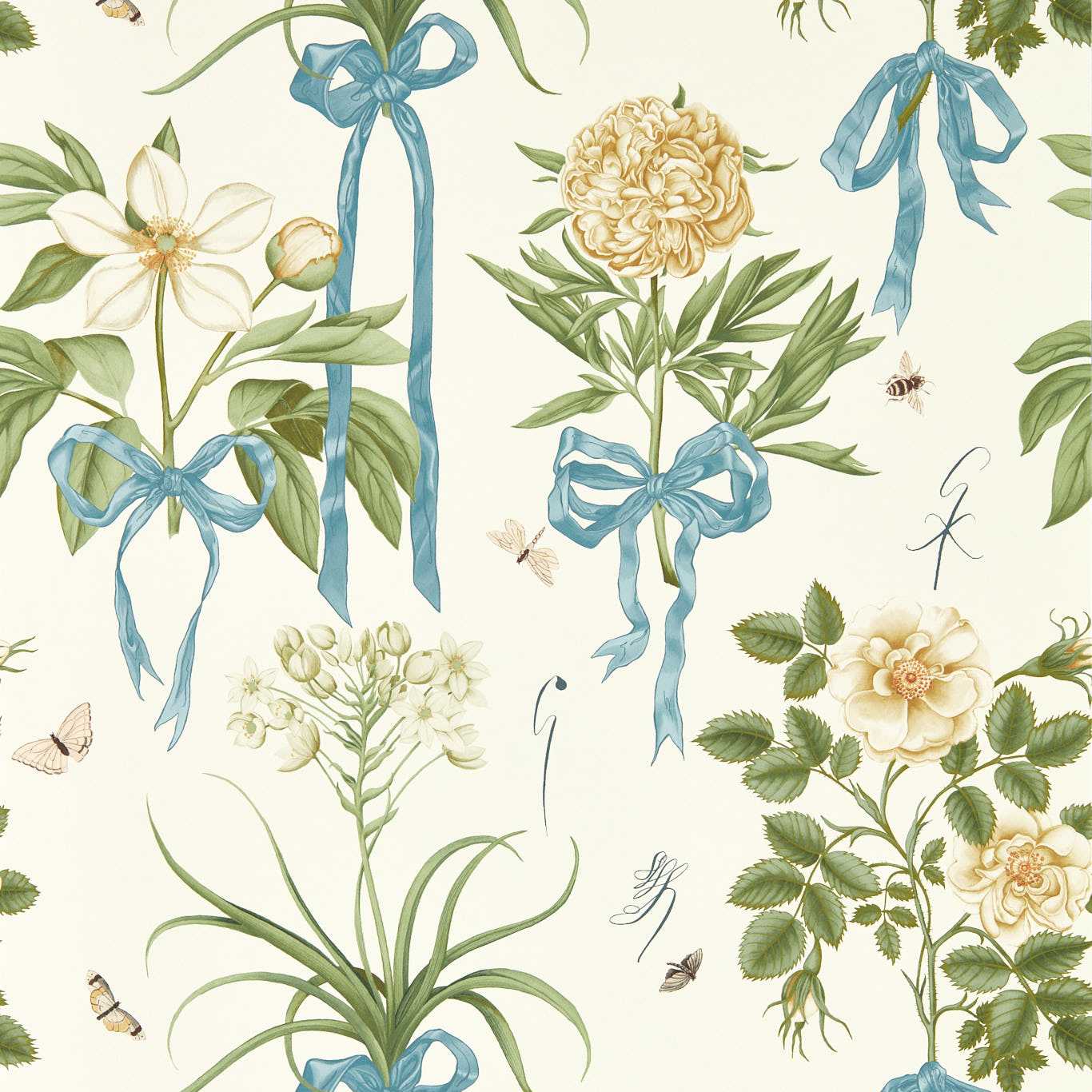
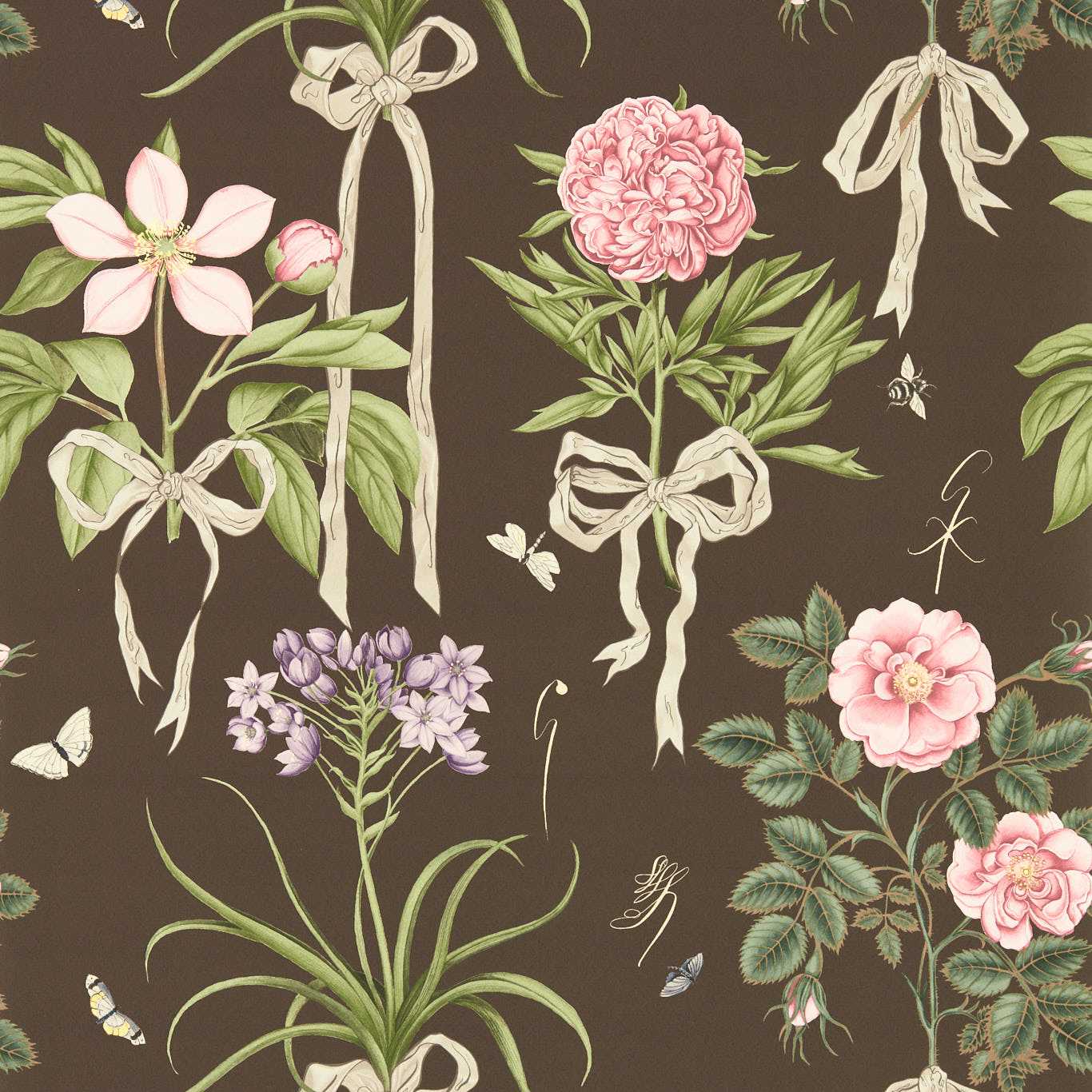
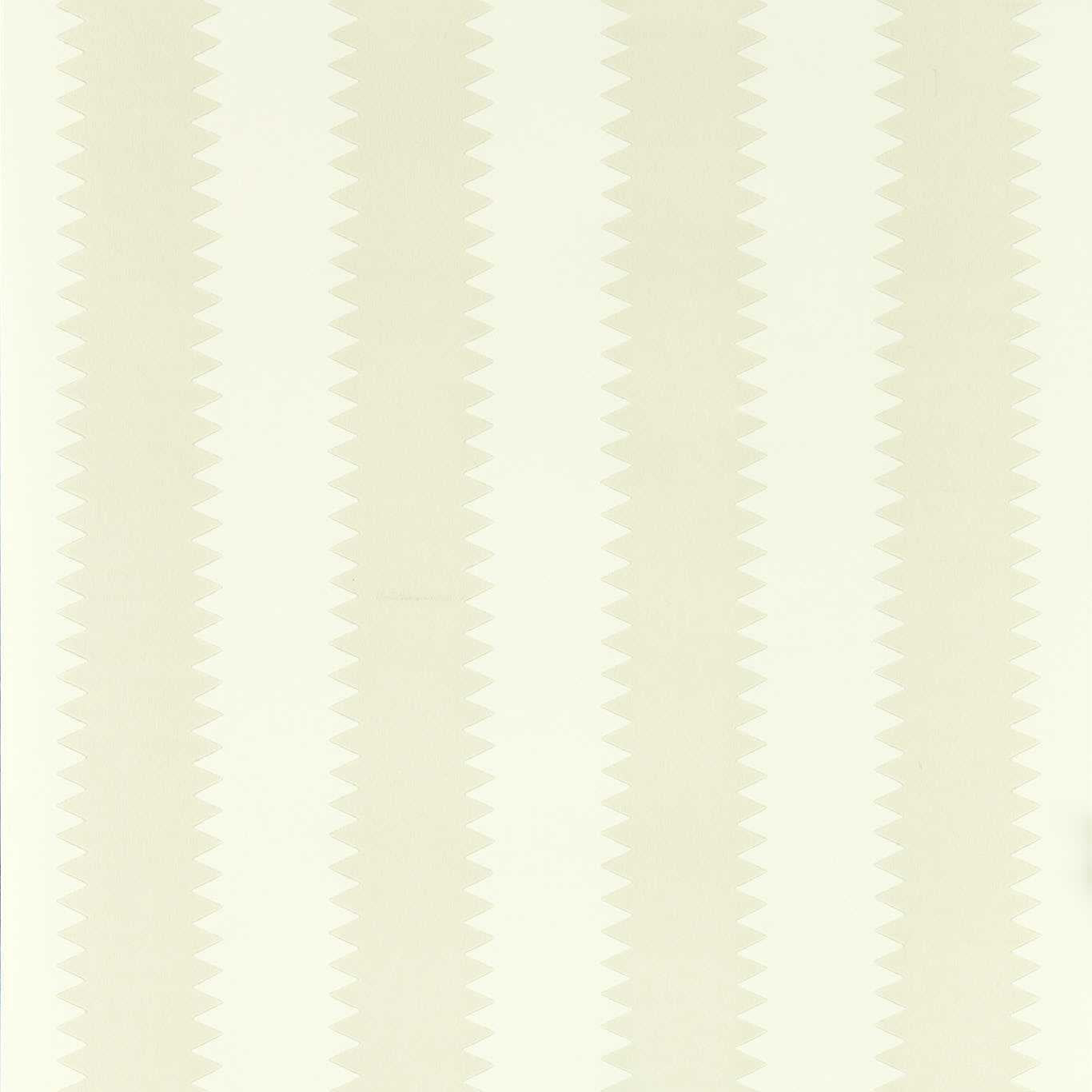
American wallcovering tends toward optimism and legibility. Where a European heritage pattern might layer motif on motif, the American version often gives one clear idea room to breathe: a bold stripe, a clean botanical, a documentary print that references a real historic textile. This clarity comes partly from the colonial revival's reverence for early American document patterns and partly from a broader cultural preference for the direct over the ornate.
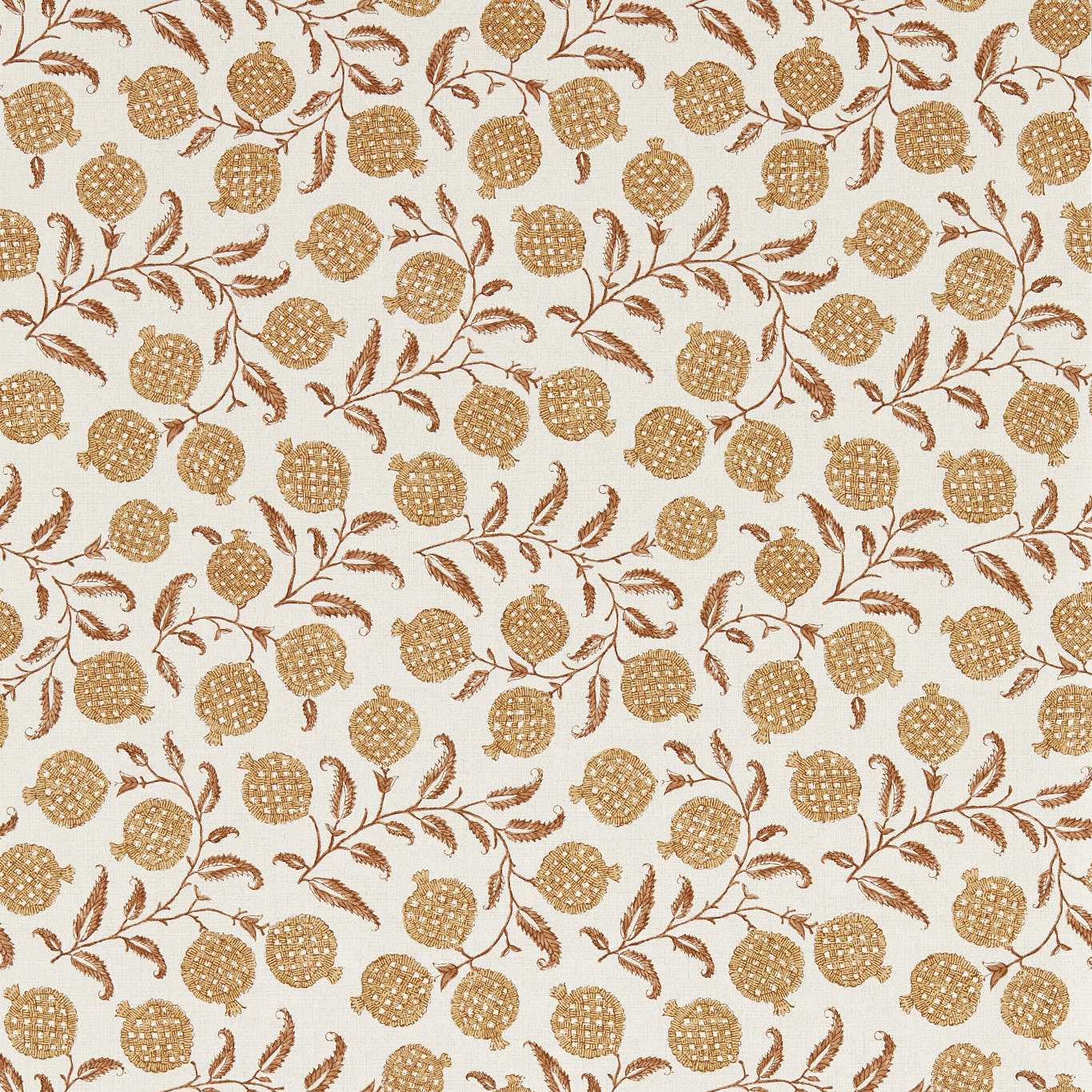
Regional flavors persist. There is the crisp navy-and-white of a coastal Northeast, the warm earth tones and folk motifs of the heartland, the sun-bleached palettes and bold geometry of the West and Southwest. A contemporary American designer plays across all of these registers freely, mixing a historic document stripe with a modern hand-drawn botanical, and the result still reads as distinctly American because of that easy, unfussy confidence.
Buying American-made, and why it can matter
For some projects, American manufacture is a practical advantage, not just a preference. Domestically produced wallcoverings often ship faster and restock more reliably than imports, which matters when you need matching attic stock or a quick replacement panel. They also make it easier to confirm compliance with US commercial standards and to get straight answers about a product's fire rating and cleanability from a manufacturer working under the same regulations you are.
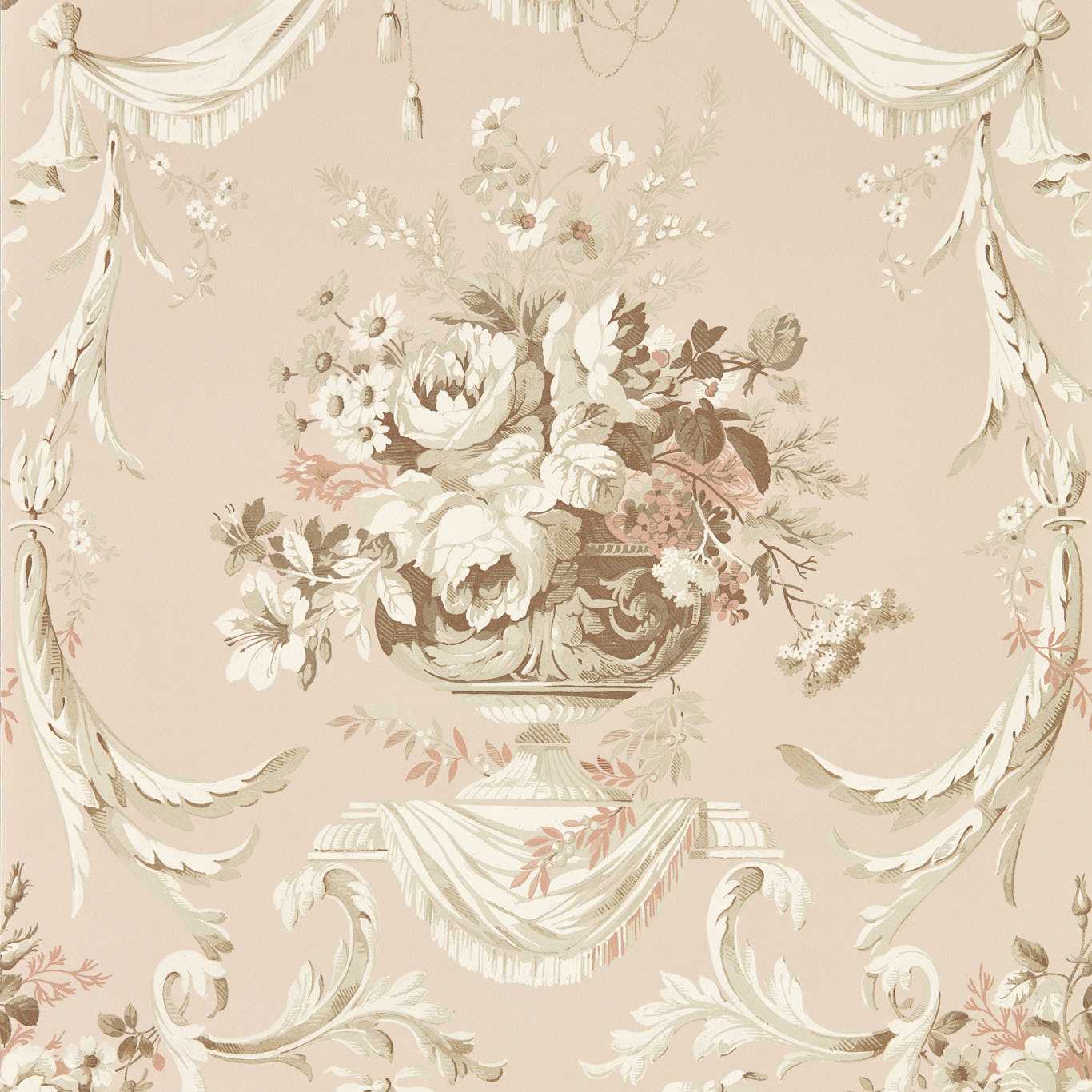
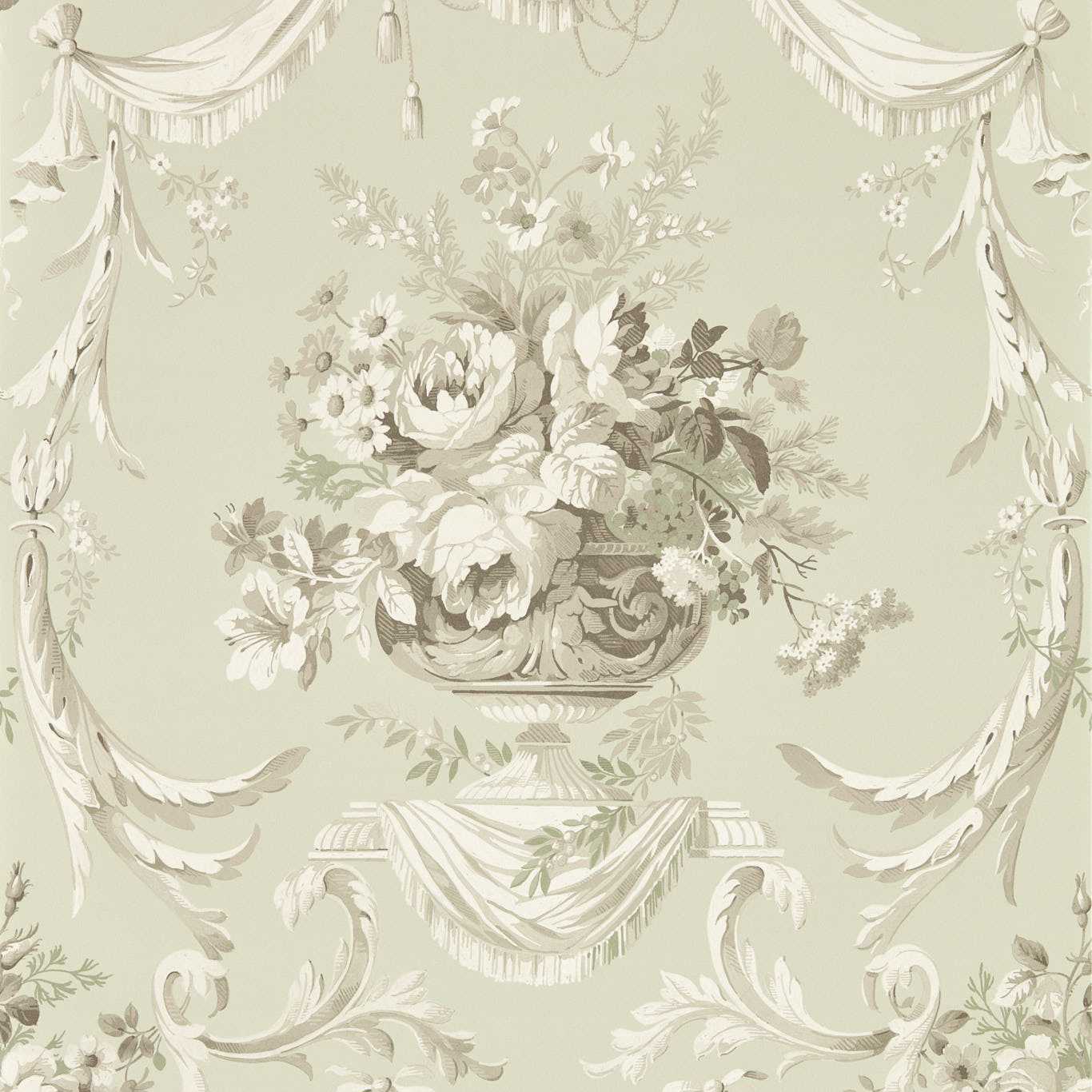
The design case is just as strong. American mills and studios maintain deep archives of historic document patterns and produce a steady stream of new work from contemporary American artists, so buying domestic is often the shortest path to a genuinely American look. Whether you want a faithful colonial reproduction or a fresh hand-painted mural from a living studio, the domestic market covers the full range from heritage to avant-garde.
Quick checklist before you order
- One clear ideaAmerican style favors a single bold motif with room to breathe over layered ornament.
- Document printsColonial-revival stripes and archival prints give an instantly American, heritage feel.
- Embrace the scenicThe panoramic mural is a native American love — ideal for a dining room or stair.
- Domestic restockUS-made papers often ship faster and restock more reliably for attic stock and repairs.
- Regional paletteCoastal navy, heartland earth tones, or Southwestern geometry to set a sense of place.
Frequently asked
What makes a wallpaper look American?
A preference for one clear, legible motif over layered ornament, plus signatures like colonial-revival document stripes, folk motifs, and a love of the panoramic scenic.
Is American-made wallpaper better?
Not inherently, but domestic manufacture often means faster shipping, more reliable restocking for repairs, and easier confirmation of US commercial fire and cleaning standards.
What is a document wallpaper?
A pattern reproduced or adapted from a historic textile or paper in an archive — a mainstay of American colonial-revival style and a way to get an authentic heritage look.
Read more
- From Plunket Fleeson to the machine age: a short history of American wallpaper makingDomestic wallpaper is older than the country. Tracing it from a Philadelphia upholsterer in 1739 to steam-powered printing explains why American product looks the way it does.
- What 'Made in USA' legally means on a roll of wallpaperThe claim is regulated, not marketing latitude. The FTC's rule sets a specific bar, and domestic wallcovering has to clear it to use the label.
- Surface printing, gravure, and digital: how the domestic mill actually printsThe three main production methods leave different fingerprints on the finished roll. Knowing them explains price, minimum orders, and the look of American product.
- Domestic versus imported: comparing lead time, tariff exposure, and reorder riskBuying American is not only a values decision. On schedule and supply-chain risk, domestic product has concrete, measurable advantages worth pricing in.
- Reading a domestic wallcovering spec sheet: weight, backing, and durability classThe data sheet, not the swatch, tells you what an American-made commercial wallcovering will do on a wall. Here is how to read the lines that matter.
- Where American wallpaper history lives: collections worth knowingThe public record of domestic wallcovering is held in a handful of institutions. For anyone serious about American product, these are the primary sources.